
Exploring the psychology behind casino gambling Why do we play

The Allure of Winning
One of the most compelling reasons people are drawn to casino gambling is the thrill of potentially winning money. The excitement generated by the possibility of a big payday can create an adrenaline rush, making the experience highly stimulating. Engaging in no kyc crypto casinos offers an additional layer of excitement, as players explore new opportunities for financial gain. This desire for financial gain often overshadows the considerable risks involved, leading individuals to engage in gambling despite knowing the odds may not be in their favor.
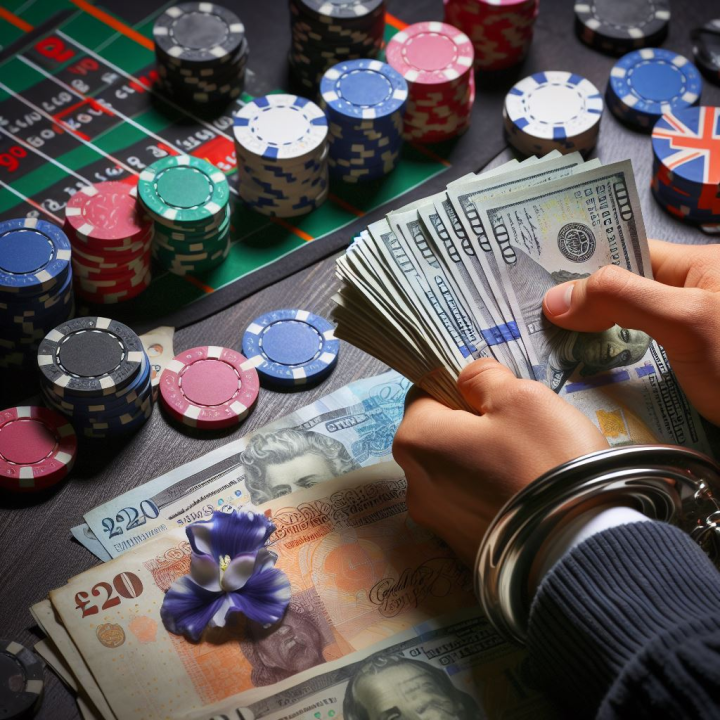
The psychology of reward plays a significant role here. Human brains are wired to respond to rewards, triggering the release of dopamine, a neurotransmitter associated with pleasure. This biochemical reaction becomes more potent with every small win, reinforcing the behavior and encouraging players to return to the tables or machines in hopes of experiencing that euphoric rush again.
The Role of Social Interaction
Casino environments are inherently social spaces. Many players enjoy the camaraderie and excitement that come from sharing the gambling experience with friends or other patrons. This social aspect can amplify the enjoyment derived from gambling and make losses feel less significant when shared amongst a group.
Moreover, the atmosphere of a casino—complete with sounds, lights, and the energy of the crowd—can heighten the experience. Players often report feeling more engaged and invested when gambling in a lively setting, which encourages them to spend more time and money than they might if playing alone in isolation.
The Impact of Cognitive Biases
Cognitive biases significantly influence gambling behavior, often leading players to make irrational decisions. Concepts such as the “gambler’s fallacy,” where individuals believe that future probabilities are influenced by past events, can cause players to continue gambling despite losing streaks. This misjudgment can keep players at the table far longer than they originally intended.
Another prevalent bias is the illusion of control, where players believe they can influence the outcome of games that are purely chance-based, such as slot machines or roulette. This misguided sense of agency can lead to increased betting and an escalation of involvement in gambling activities, despite the underlying randomness of these games.
Addiction and Compulsive Behavior
For some individuals, casino gambling can lead to addiction and compulsive behavior. The thrill of the game, combined with the psychological mechanisms at play, can create a cycle that is challenging to break. The need to chase losses often perpetuates gambling habits, leading to significant financial and emotional consequences.
It is crucial for those who recognize the signs of problem gambling to seek help. Various organizations and resources are available to provide support for individuals struggling with gambling addiction, emphasizing the importance of addressing these psychological factors in a constructive way.

Enhancing Your Knowledge of Gambling Psychology
This website provides an excellent resource for anyone looking to delve deeper into the fascinating psychology behind gambling behaviors. By exploring the complexities of why people engage in casino gambling, users can gain valuable insights that may enhance their understanding of their own habits and the nature of gambling itself.
Whether you are a casual gambler or someone seeking to understand the intricacies of gambling psychology, the information available can greatly assist in fostering a more informed perspective. It is essential to approach gambling with awareness and understanding, facilitating healthier interactions with this form of entertainment.